
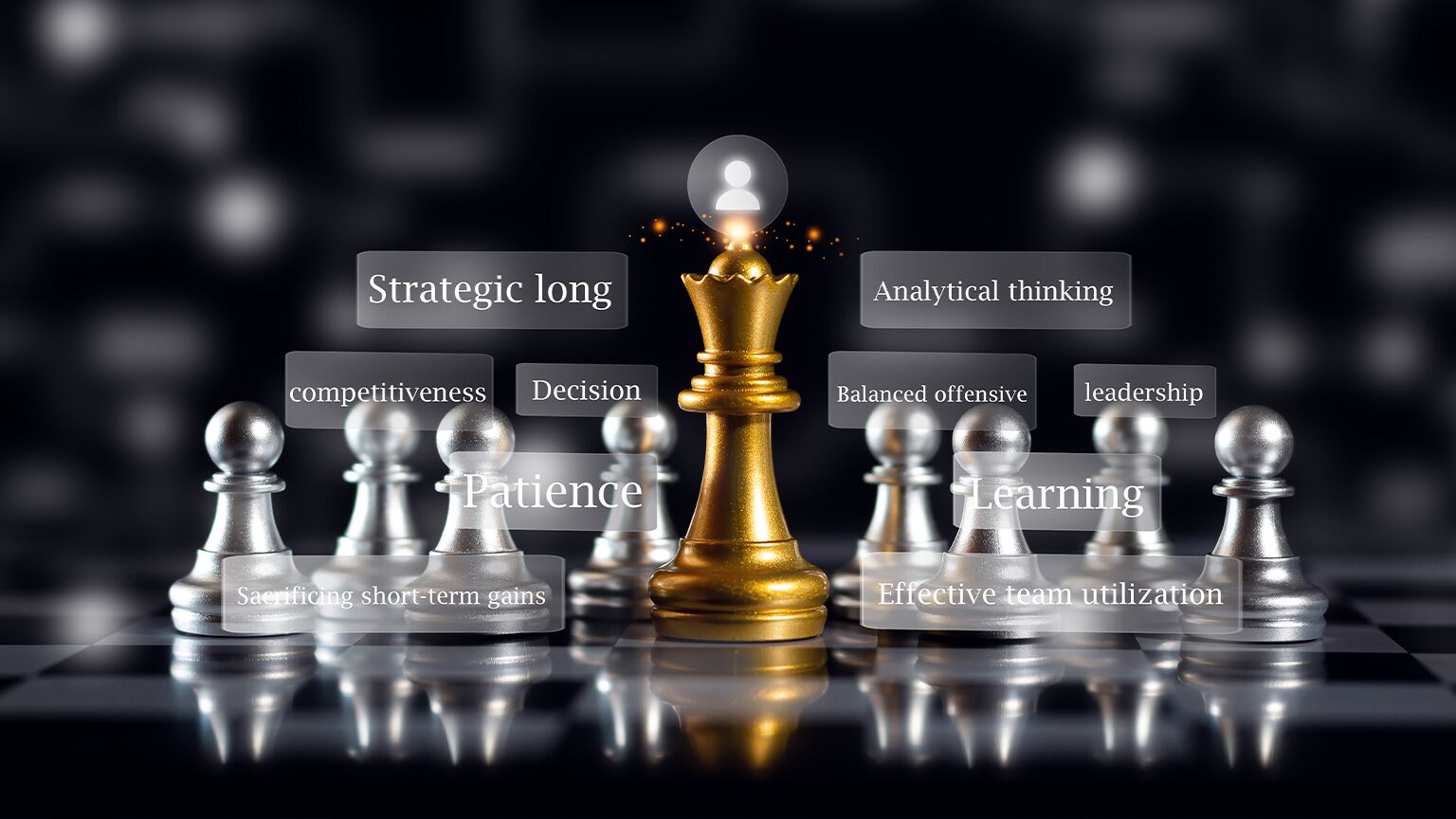
Leadership programs for experienced professionals help seasoned managers and leaders strengthen strategic thinking, decision-making, people leadership, and organizational impact. As professionals move into higher leadership roles, technical expertise alone is no longer enough. Structured leadership development equips them with the skills to lead teams, navigate complexity, drive business growth, and create lasting value in an increasingly dynamic business environment.
There’s a strange assumption many people make about senior leaders: once someone has a couple of decades of work behind them, the learning part is over. The title, the experience, the confidence — all of that somehow means the person has “arrived.”
Schedule a call with a Pragati Leadership expert to discuss how we can support your strategic objectives.
Schedule your CallExcept that isn’t how leadership works. Not anymore.
Today’s environment is messy, unpredictable, and unforgiving of complacency. Markets shift quickly, teams are more diverse than ever, and employees expect leaders who can do more than run business reviews. They want clarity, connection, and a sense that the person leading them hasn’t stopped growing.
That’s exactly why leadership programs for experienced professionals are a necessity. This is why organisations now look for programs that go beyond skill-building, an approach Pragati Leadership has championed for decades.
The Experience Trap: When Familiarity Becomes a Blind Spot
Experience helps, of course. It gives leaders context, judgment, and maturity. But the same experience can eventually create blind spots. Familiar patterns get repeated. Comfort zones feel safer. Leaders start relying on what worked in the past, even if the landscape has changed.
A strong leadership training provider helps senior leaders break out of those patterns. Not by teaching them basic skills, but by challenging their thinking, encouraging reflection, and putting a spotlight on habits they no longer notice.
Many seasoned professionals admit the same thing after a program: “I didn’t realise how differently people see leadership today.” That awareness alone can shift how they show up.
Why Experienced Leaders Still Need Development?
1. The Leadership Role Has Expanded –
The modern leader isn’t just responsible for vision and delivery. They’re expected to be:
- a culture builder
- a coach
- a communicator
- a steward of values
- a stabilising force during change
That’s a lot to carry. And it can’t be done on autopilot.
Programs designed for senior leaders, not the basic “first-time manager training” kind, help them strengthen emotional intelligence, strategic influence, and the ability to lead through ambiguity.
2. Teams Expect a Different Kind of Leadership –
Employees want honesty, space to learn, ongoing feedback, and leaders who actually listen. That shift has pushed experienced leaders to rethink how they connect with people.
Coaching-based leadership, for example, is now essential. It’s why leadership coaching for CXOs has grown into a core part of long-term organisational strategy. Senior leaders who coach well create teams that stay engaged instead of drifting into quiet resentment or burnout.
3. The Pace of Change Is Relentless –
Most senior executives have lived through several economic cycles, but the speed of change today is something else entirely. Digital disruption, new customer expectations, industry consolidation, regulatory shifts… it never ends.
A thoughtful executive leadership development journey offers leaders a pause, a chance to step back, reframe problems, and learn how to respond instead of react.
People look to seasoned leaders during uncertainty. Development ensures they’re equipped to provide direction when others feel pulled in every direction.
4. Values Need Reinforcement at Higher Levels –
The higher someone goes, the more their behaviour influences culture. Leaders don’t just set the tone; they are the tone.
This is where values-driven leadership comes in. Experienced leaders often benefit from reconnecting with the principles that shaped their career early on, and re-evaluating how those values translate in a changing organisation.
That kind of recalibration rarely happens without structured reflection, coaching, or dialogue.
What Leadership Programs for Experienced Professionals Usually Cover?
Effective programs don’t lecture seasoned leaders. They challenge them, stretch them, and create space to re-examine long-held assumptions.
A well-designed program may explore:
- decision-making in uncertain environments
- emotional mastery and resilience
- coaching and mentoring skills for large teams
- communication that aligns multiple stakeholder groups
- cross-functional collaboration
- leading with purpose rather than pressure
- rethinking power and influence at senior levels
With over three decades of developing leaders across industries, Pragati Leadership has seen firsthand how experienced professionals evolve when supported by structured, values-driven development.
The Tangible Benefits for Organisations:
When senior leaders grow, the ripple effect is immediate. You see it in the way teams communicate. You see it in how people handle tension. You see it in the confidence employees have in their leaders.
Companies that invest in senior leadership development often notice:
- smoother decision-making
- reduced friction between departments
- a stronger succession pipeline
- better employee engagement scores
- stability during transitions
If the top layer of leadership isn’t evolving, the organisation eventually feels stuck. Development prevents that stagnation.
Conclusion: Experience Is an Asset, But Growth Is a Choice
Experienced leaders don’t need to start from scratch. They simply need space to evolve, to question, to reassess, to refine how they lead in a world that doesn’t pause for anyone.
So the question isn’t whether seasoned professionals need development. The real question is: What happens if they stop developing?
The organisations that thrive are the ones whose leaders never stop learning. And the leaders who thrive are the ones who stay curious long after they become “experienced.”
That’s the real value of leadership programs for experienced professionals: they keep leaders relevant and deeply connected to the people they lead.
It’s why Pragati Leadership believes leadership isn’t a stage you reach; it’s a lifelong practice grounded in purpose, reflection, and conscious action. Contact us now.
FAQs
1] Why do experienced professionals still need leadership development?
Because the expectations placed on leaders keep changing, and experience alone doesn’t prepare them for today’s complexity.
2] What specific benefits do experienced leaders gain from leadership training?
They strengthen self-awareness, refresh communication skills, improve coaching capability, and gain new tools for leading through uncertainty.
3] How can leadership development help senior executives deal with change?
It gives them frameworks to navigate ambiguity, maintain composure, and communicate confidently during uncertainty.
4] How often should experienced leaders engage in leadership development?
Once every year or two, which should be sufficient to stay sharp without losing momentum in their day-to-day responsibilities.
Share on Social Channels
Have Questions? Email us.
Our Categories
Categories
- Behaviorial (7)
- Blog (314)
- Certified People Manager Program (7)
- Coaching (10)
- Corporate Trainers (7)
- Developing Collaboration (12)
- Emotional Intelligence Training (15)
- Executive Leadership Program (38)
- First Time Manager Training (17)
- Growth Mindset Course (5)
- Inspirational Leadership (25)
- Inspiring and Successful Leadership Awards (23)
- Leadership Awards (44)
- Leadership Development (137)
- Leading Virtual Teams (6)
- Management Development (30)
- Marketing (2)
- Negotiation Skills Training (10)
- Organizational Transformation (26)
- Others (24)
- Stakeholder Management (3)
- Strategic Leadership Development Program (7)
- VUCA Leadership (2)
- Wholesome Leadership (23)
- Women Leadership (18)