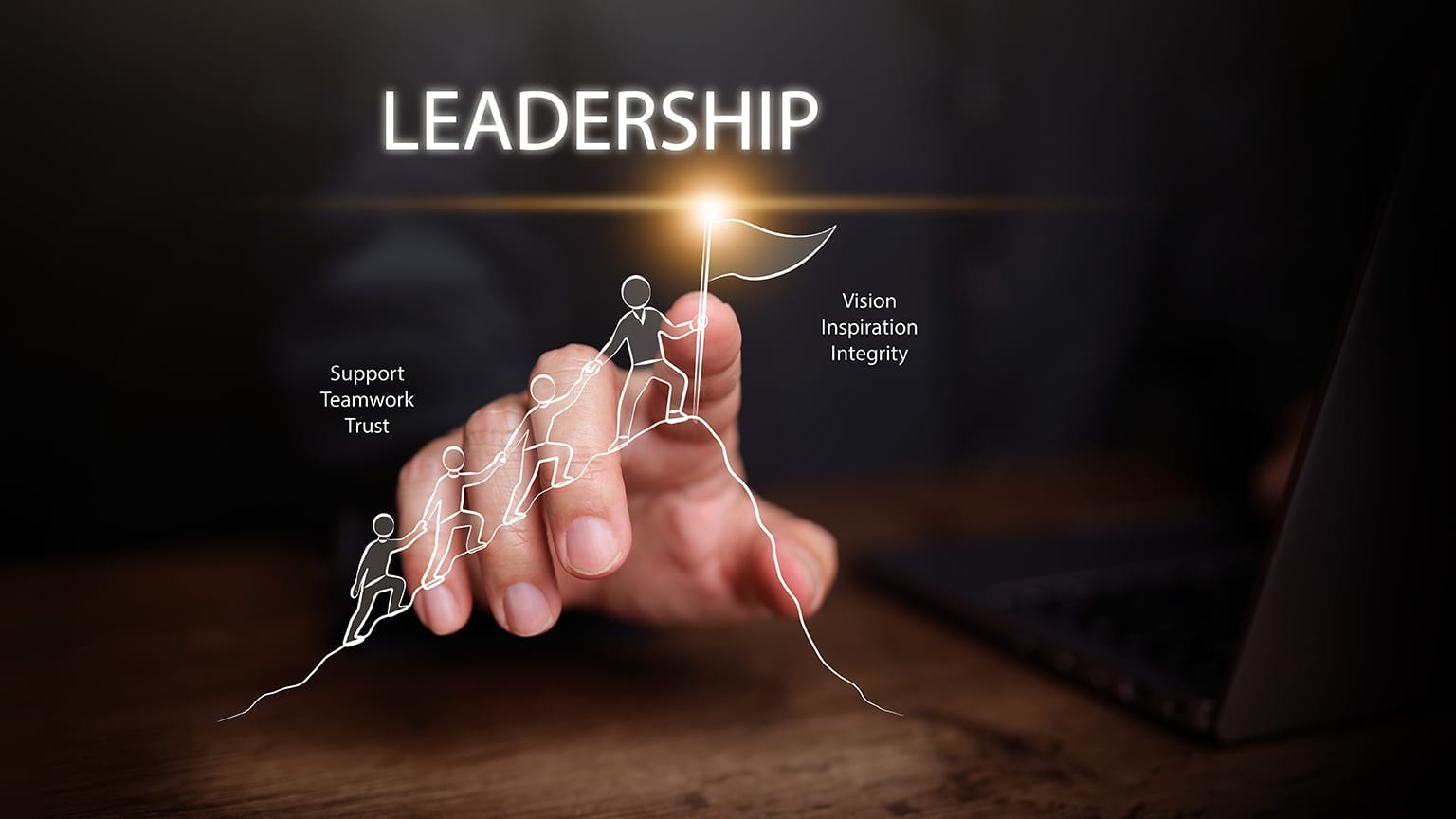
“Workshops and sessions can build awareness, but without application and continuity, very little changes in how leaders actually operate”.
Most programs fail as they often treat leadership development as a one-time event focusing on generic concepts instead of continuous behavioral changes. Standard training programs offer short-term results and may ignore the specific needs of an organization and lack long-term strategies necessary to develop true leaders.
Schedule a call with a Pragati Leadership expert to discuss how we can support your strategic objectives.
Schedule your CallWhat are the Limitations of Traditional Leadership Development Programs?
Traditional programs rely on static and theoretical training and fail to address real-world complexities. They focus on generic discussions instead of providing experiential and personalized skill development. According to an HBR analysis, almost 75% of senior executives are unsatisfied with their organization’s training initiatives.
- Failure to Address Diverse Leadership Contexts
Generic training programs fail to consider the distinct challenges faced by individual participants. When the course design is detached from daily business challenges, leaders will struggle to apply the classroom theories in their regular work dynamics. - Lack Emotional Clarity and Authenticity
Several leadership training programs provide generic strategies, which lack in the development of emotional intelligence and self-awareness skills required to become an effective leader. Real transformation needs aligning an individual’s internal values with external actions, which may be difficult with a traditional development program. - Absence of Long-Term Sustainable Systems
Providing short-term results without continuous feedback can fail to develop true leadership over the longer period. Without regular coaching, peer accountability, and pulse surveys, individuals can easily relapse into their old habits as the excitement of the training diminishes.
What are the Key Performance Gaps in Generic Leadership Training Programs?
According to the 70-20-10 Learning Framework (developed by the Center for Creative Leadership), formal coursework accounts for only 10% of how participants learn. The remaining 90% results from building relationships and on-the-job experiences. Programs that focus on classroom training often see a near total drop-off in retention within 30 to 90 days after completing the program.
- Lower Retention – Adults retain only 10% of passive lectures as standardized classroom sessions fail to make a deeper and permanent behavioral transformation.
- Lack Non-Verbal Communication – Standard programs overlook crucial skills like body language that directly impact team member’s psychological safety and trust.
- Absence of Targeted Development – Generic training courses are absent in designing focused strategies to help high-potential participants unlock opportunities to grow in their careers.
How to Drive Real Impact with a Strategic Leadership Development Program?
Participants who receive post-program support and ongoing application strategies apply their newly acquired skills 25% more in the daily roles. Here are the steps to drive real impact:
- Focus on Real Communication
Training leaders to ensure their strategic communication and daily interactions align with the core organizational values to develop trust. When company leaders understand corporate values, it can actively shape the organizational culture. - Establish Clear Behavioral Benchmarks
Training courses must set clear and objective markers to determine success. Using 360-degree feedback tools and regular post-training check-ins to monitor executive readiness and track behavioral development over a period. - Intentional Targeting Talent Segments
Companies must customize training programs that help new and mid-level executives develop confidence. Intentional targeting ensures that distinct groups like high-potential employees and diverse leaders receive the exact strategic tools necessary for their career development.
How Does an Effective Leadership Development Program Sustain Long-Term Growth?
A 2025 Global Leadership Development Study shows that almost 68% of successful organizations rank skills like adaptability and resilience as critical for sustainability.
Preventing Executive Burnout
Senior leaders who balance their professional stamina and communication styles successfully insulate their teams from burnout. Leaders who can manage their emotional and psychological energies maintain sharper decision-making skills even in stressful circumstances.
Driving Organizational Resilience
Focused leadership development enables executives to connect with their team members, which enhances employee engagement.
Teams led by resilient leaders adapt to changes faster when compared to static managers. Resilience enables individuals to stay calm and grounded irrespective of the situation, which drives improved decision-making capabilities.
Fostering Healthy Organizational Culture
Dynamic leaders drive confidence and innovation, which increases team performance. Communication and trust reduce employee dissatisfaction and increase retention rates. High-energy leaders play a crucial role in fostering a healthy and positive organizational culture.
True leadership transformation cannot be achieved in a single weekend lecture. It requires a deliberate shift from one-time training courses to measurable and sustained coaching. Build leaders who drive resilience, engagement, and business growth. Connect with Pragati Leadership today to learn how our Leadership development programs deliver sustainable leadership excellence. Contact us now.
Share on Social Channels
Have Questions? Email us.
Our Categories
Categories
- Behaviorial (7)
- Blog (317)
- Certified People Manager Program (7)
- Coaching (10)
- Corporate Trainers (8)
- Developing Collaboration (13)
- Emotional Intelligence Training (15)
- Executive Leadership Program (38)
- First Time Manager Training (17)
- Growth Mindset Course (5)
- Inspirational Leadership (25)
- Inspiring and Successful Leadership Awards (23)
- Leadership Awards (44)
- Leadership Development (138)
- Leading Virtual Teams (7)
- Management Development (30)
- Marketing (2)
- Negotiation Skills Training (10)
- Organizational Transformation (27)
- Others (24)
- Stakeholder Management (3)
- Strategic Leadership Development Program (7)
- VUCA Leadership (2)
- Wholesome Leadership (23)
- Women Leadership (18)