“Employees who believe management cares about them as people are more productive”.
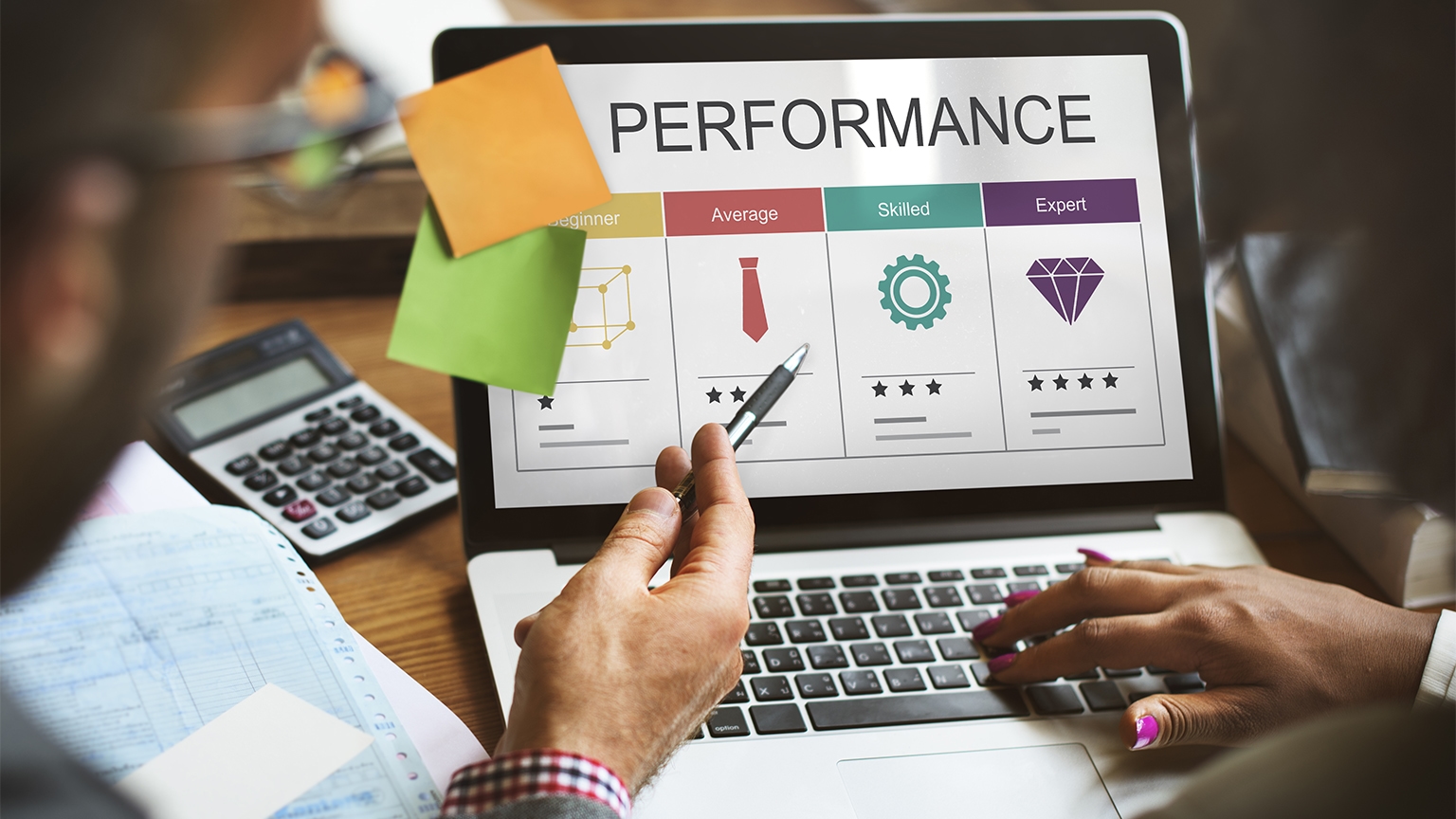
For a very long time, annual performance appraisals have been the staple for managing people. However, increasing evidence shows that traditional methods fail to enhance employee engagement or performance.
Schedule a call with a Pragati Leadership expert to discuss how we can support your strategic objectives.
Schedule your CallReasons why Traditional Methods Fail:
Bias and Lacking Objectivity
Traditional appraisals are often conducted by the direct manager, which may create bias. Personal bias, intentional or unintentional skew the results and may feel inaccurate and unfair. According to Gallup studies, less than one-third of employees feel their performance reviews are accurate and fair.
Demotivating and Stressful
Instead of enhancing performance, annual reviews may create anxiety and disengagement among employees. Several people dread such reviews and consider them to be judgmental or a professional beatdown rather than constructive guidance. Annual reviews may demoralize people, leaving them defensive or dejected and hurting their confidence rather than inspiring growth.
Time-Consuming with Low Returns
Traditional review often becomes a bureaucratic exercise, which can be cumbersome and time-consuming. Managers may spend weeks creating evaluations, conducting meetings, and filling out forms. According to an estimate, an organization with 10,000 employees may spend crores in annual reviews with little or no benefit. Often, employees are less inspired with an increase in voluntary turnover.
Moving Towards a New Approach:
Modern appraisals adopt regular check-ins, creating a space for having real conversations. These can be informal and short conversations about obstacles, priorities, and progress while work is still ongoing.
This kind of performance evaluation does not feel like a judgment and functions as a continuous support system. Conversations are more natural, and recognition is a part of regular workflows.
Clear and Goal-Oriented
The modern performance review focuses on specific results instead of general observations, which ensures employees comprehend organizational expectations. This encourages a dialogue between the managers and their team members.
Employee Engagement and Satisfaction
Effective leadership development training programs help managers develop modern performance review techniques. These new methods encourage honest feedback and develop trust, which enables ongoing improvement and growth. When people are aware of expectations and managers see that their feedback is being implemented, it increases employee engagement and satisfaction, which makes a huge difference in growth and performance.
Regular Feedback
Modern performance reviews focus on regular check-ins. It fosters constructive and real-time feedback, which allows employees to make required adjustments to efficiently complete their tasks. Integrating goal-setting and development discussions into everyday operations, companies foster accountability. Engagement increases when employees are aware that their progress is being monitored regularly, which enhances performance and increases team collaboration.
Leveraging Technology
Performance review simulation programs can play an important role when used as a support to conduct real conversations and not replace them. Tech-driven tools enable efficient sharing of feedback, goal tracking as they evolve, and document progress without awaiting formal review meetings. This makes reviews more accurate and reduces stress for managers as well as the people.
One of the most important shifts is on how information is leveraged. Thoughtful analytics show patterns like where goals are not met, feedback is not given, or some teams need additional support that may be missed in one-off annual reviews. When leaders and managers review such insights over a period, they are better equipped to make necessary adjustments, which enhance engagement and performance.
While every organization implements these strategies differently, the important point is that companies are moving away from traditional annual performance reviews to a fluid and responsive system.
Traditional appraisals were effective in the bygone decades, but modern-day dynamic work environments require more agility and a human-centered approach. Companies are increasingly adopting a continuous improvement mindset where feedback is an ongoing process, goals are adjusted, and managers and their team members engage in constant conversations.
Transitioning from annual appraisals to tech-driven reviews that adopt continuous feedback is powerful to enhance employee engagement. However, the real value of modern technology is in the ability to act on the insights provided by these tools. Identifying the gap or growth opportunities is effective when teams have the required resources to address these without delays.
PLI’s Review Rumble assists companies bridge this gap through the integration of development and performance management workflow. It uses simulation to teach HR leaders and managers to have difficult but meaningful conversations and assign upskilling modules as required. This simulation program helps managers convert feedback sessions into actionable plans to drive long-term productivity and retention across companies. For more information, connect with our experts and book a demo.
Share on Social Channels
Our Categories
Categories
- Behaviorial (7)
- Blog (284)
- Certified People Manager Program (5)
- Coaching (9)
- Corporate Trainers (7)
- Developing Collaboration (12)
- Emotional Intelligence Training (13)
- Executive Leadership Program (30)
- First Time Manager Training (14)
- Growth Mindset Course (3)
- Inspirational Leadership (23)
- Inspiring and Successful Leadership Awards (23)
- Leadership Awards (44)
- Leadership Development (128)
- Leading Virtual Teams (6)
- Management Development (29)
- Marketing (2)
- Negotiation Skills Training (8)
- Organizational Transformation (25)
- Others (24)
- Stakeholder Management (3)
- Strategic Leadership Development Program (4)
- VUCA Leadership (2)
- Wholesome Leadership (23)
- Women Leadership (17)
Recent Insights
“A coach is someone who can give correction without causing resentment”. Gen Z represents almost...
“Employees who believe management cares about them as people are more productive”. For a very...
“The number one problem first-time leaders face is failing to understand that leading requires entirely...
“Clearly, the thing that’s transforming is not the technology – the technology is transforming you”....
“Women often talk themselves out of opportunities when they should be doing the opposite”. Even...
